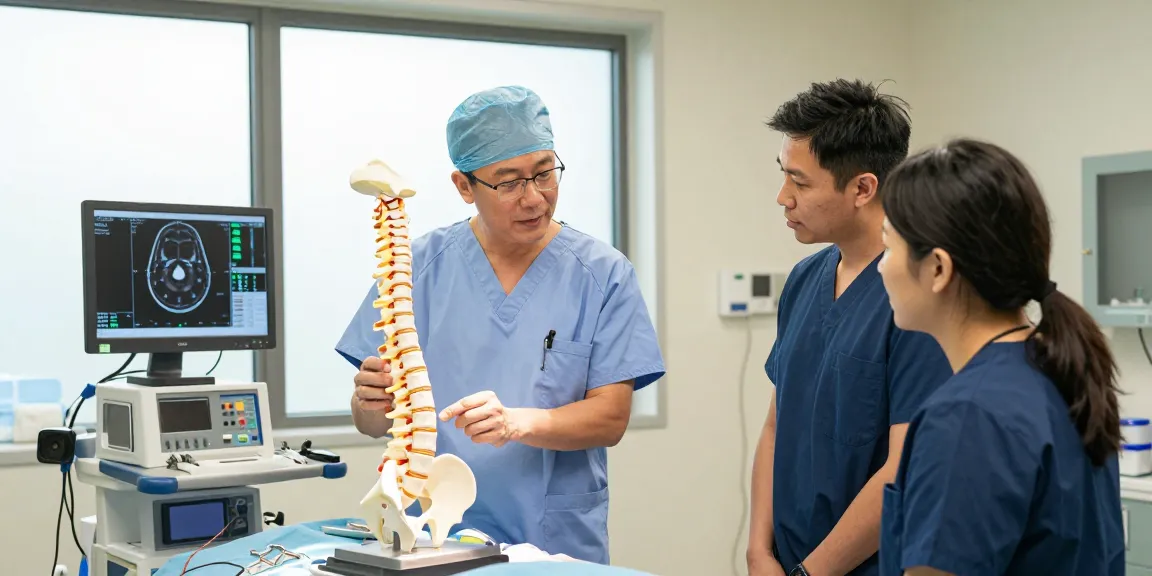
Understanding Dar Kanal Ameliyatı
Dar kanal (spinal stenosis) is a condition characterized by the narrowing of the spinal canal, often leading to pressure on the spinal cord and nerves. This condition is prevalent, especially among older adults, and can severely impact one's quality of life. Symptoms such as back pain, leg pain, numbness, weakness, and reduced walking distance can hinder daily activities and diminish mobility. Understanding the intricacies of Dar kanal ameliyatı is crucial for patients seeking relief from such debilitating symptoms. Effective intervention can significantly improve outcomes and return individuals to a more active lifestyle.
What is Spinal Stenosis?
Spinal stenosis occurs when the spinal canal narrows, putting pressure on the spinal cord and nerve roots. This narrowing can be caused by various factors, including age-related degeneration, herniated discs, thickened ligaments, and bone spurs. As the spinal structures change with age, they can encroach upon the spaces designated for the spinal cord and nerves, resulting in pain and functional impairment.
Importance of Timely Surgical Intervention
Timely surgical intervention for spinal stenosis is essential to alleviate symptoms, improve mobility, and enhance overall quality of life. Delaying surgery can lead to muscle atrophy, persistent pain, and further neurological deterioration. Therefore, individuals experiencing significant symptoms should consult with a specialist to discuss the benefits of surgical options.
Key Symptoms Indicating Surgery
Common symptoms that may indicate the need for dar kanal ameliyatı include:
- Severe pain in the lower back or neck.
- Numbness or tingling in the legs or arms.
- Weakness in the limbs.
- Difficulties with balance and coordination.
- Reduced walking distance.
Types of Dar Kanal Ameliyatı
There are primarily two surgical techniques used to treat spinal stenosis – the vidalı (platinli) approach and the vidasız (minimal invasive) technique. Each method has its own set of indications, advantages, and risks, which are critical for patients to understand.
Vidalı (Platinli) Approach
The vidalı approach involves the use of rods and screws to stabilize the spine after decompressing the affected nerves. This method is often preferred in cases where there is significant instability in the spine or when deformity correction is required. The added hardware provides immediate stability but may involve a longer recovery period due to the invasiveness of the surgery.
Vidasız (Minimal Invasive) Technique
On the other hand, the vidasız technique is a minimally invasive option that employs small incisions and specialized instruments to decompress the spinal canal without causing extensive muscle damage. This approach is designed to preserve the surrounding muscles and tissues, resulting in reduced postoperative pain and quicker recovery times. Patients often experience less scarring and can often return to normal activities sooner than with traditional methods.
Comparative Benefits and Risks
When evaluating the benefits and risks of these surgical techniques, it's essential to consider the specifics of each patient’s condition, such as the severity of stenosis, overall health, and lifestyle preferences. For instance, while the vidalı approach may provide enhanced stability, it carries a higher risk of complications and longer recovery time. Conversely, the vidasız method minimizes tissue damage but may not address all cases of spinal instability.
Post-Operative Recovery and Expectations
Understanding the post-operative recovery process is crucial for patients undergoing dar kanal ameliyatı. Recovery experiences can vary significantly based on the surgical technique used and individual patient factors.
Typical Recovery Timeline
Most patients can expect to spend one to three days in the hospital after surgery, depending on the procedure's complexity. While some patients may feel significant relief from symptoms immediately after surgery, others might require several weeks to fully recover. A thorough physical rehabilitation program is commonly recommended to facilitate healing and restore function.
Managing Post-Surgery Pain
Post-surgical pain management is a vital aspect of the recovery process. Physicians typically prescribe medication to help manage pain effectively. Additionally, physical therapy plays a crucial role in helping patients regain strength and mobility. Patients are encouraged to follow their physician's guidance for pain management and to report any unusual symptoms.
Physical Therapy and Rehabilitation
Physical therapy begins soon after surgery and focuses on strengthening the back and core muscles while improving flexibility. Engaging in a regimen of gentle stretching exercises can promote recovery and prevent future complications associated with spinal stenosis.
Potential Complications and Risks
As with any surgical procedure, dar kanal ameliyatı carries potential risks and complications that patients should be aware of before undergoing surgery.
Understanding Revision Surgery
Revision surgery may be necessary in cases where initial surgical outcomes are unsatisfactory or complications arise. Common reasons for revision surgery include recurrent symptoms, nerve damage, or hardware-related issues. Understanding the factors that may necessitate a revision is critical for managing long-term expectations.
Factors Influencing Complications
Several factors can influence the likelihood of complications following spinal surgery, including:
- Age and overall health status.
- Type of surgical technique used.
- Extent of degenerative changes present.
- Patient adherence to post-operative care instructions.
Long-Term Monitoring and Follow-Up
Long-term follow-up is essential to monitor the spine’s stability and address any emerging issues. Regular check-ups can help identify potential complications early, allowing for timely interventions.
Financial Aspects of Dar Kanal Ameliyatı
The financial considerations surrounding dar kanal ameliyatı can be complex and may vary significantly based on numerous factors, including the chosen surgical technique, hospital fees, and insurance coverage.
Cost Breakdown of Different Procedures
Understanding the cost involved in the various surgical techniques is essential for effective planning. The prices can differ based on the complexity of the surgery, and whether additional procedures are necessary. Patients should inquire about the total estimated cost, including hospital stay, anesthesia, and follow-up care.
Insurance and Payment Options
Many insurance providers cover dar kanal ameliyatı, yet patients should verify coverage limitations and any required pre-approvals. It is also beneficial to discuss any out-of-pocket expenses that may arise, especially in cases where a second opinion is sought.
Financial Assistance and Resources
Numerous resources are available for patients seeking financial assistance, including payment plans offered by hospitals and non-profit organizations that can provide support for those in need. Exploring these options can alleviate financial burdens associated with surgery.
What are the risks associated with Dar kanal ameliyatı?
Risks associated with dar kanal ameliyatı include potential complications such as infection, blood clots, nerve injury, and issues related to hardware placement. For more information, Dar kanal ameliyatı offers valuable insights. Patients should engage in thorough discussions with their healthcare provider to weigh the risks against the benefits of surgery.