Understanding the Vintage Market: A Focus on Rokok88
The vintage market has experienced a remarkable resurgence in recent years, with enthusiasts and casual shoppers alike drawn to the unique charm and history of vintage goods. Among the many platforms emerging to cater to this growing interest, rokok88 stands out for its curated selection of authentic vintage items. This article delves into the significance of rokok88 in the vintage landscape, the characteristics that define vintage goods, and the evolving consumer trends that are shaping the way individuals shop for vintage items.
What is rokok88 and its Significance?
Rokok88 is a premier online marketplace that specializes in vintage and retro products. Its significance lies not just in the variety of items available but also in the community it fosters among vintage enthusiasts. By offering a curated selection of vintage clothing, furniture, and collectibles, rokok88 serves as a go-to destination for those seeking unique pieces that tell a story. With a focus on facilitating sustainable fashion choices, rokok88 champions a growing movement that values the history and craftsmanship behind vintage items.
Key Characteristics of Vintage Goods
When discussing vintage goods, several key characteristics come to the forefront:
- Age: Items typically need to be at least 20 years old to qualify as vintage, differentiating them from antique items, which are usually over a century old.
- Quality: Vintage goods are often made with superior craftsmanship and materials, reflecting an era's standards.
- Uniqueness: Each vintage item carries its own history and story, setting it apart from mass-produced contemporary goods.
- Fashion Influence: Many vintage pieces are reflective of their time, making them relevant to modern fashion trends.
Consumer Trends in Vintage Shopping
As consumers become more conscious of their purchases, vintage shopping trends have shifted significantly. Key trends include:
- Eco-consciousness: Shoppers are increasingly looking for sustainable options, making vintage a preferred choice.
- Personalization: Consumers are drawn to vintage items for the unique, personalized touch they bring to their wardrobes and homes.
- Online Growth: The rise of digital marketplaces has made it easier for vintage lovers to connect with sellers and explore global offerings.
Identifying Authentic Vintage Items
How to Spot Genuine Vintage Finds
Identifying authentic vintage items requires an eye for detail. Here are some tips to ensure what you find is genuine:
- Check Labels: Original labels can provide significant insight into the item's history and authenticity.
- Examine Craftsmanship: Genuine vintage items often showcase superior stitching, materials, and construction techniques.
- Look for Signs of Age: Signs like wear and tear, patina, or faded colors can indicate authenticity, as newer items won’t have these characteristics.
Common Misconceptions about Vintage Items
There are several myths surrounding vintage shopping that can deter potential buyers:
- High Costs: While some vintage items can be expensive, many affordable options exist.
- Questionable Quality: Not all vintage items are of poor quality; in fact, many are made with materials that last longer than today's fast-fashion products.
- Outdated Styles: Vintage fashion often influences current trends, making it a stylish choice.
Evaluation Criteria for Collectors
For collectors, evaluating vintage finds goes beyond mere aesthetics. Key criteria include:
- Provenance: Understanding the history and origin of an item can significantly affect its value.
- Condition: The overall condition can determine an item's worth, with mint condition items commanding higher prices.
- Market Demand: Researching trends and popular items can help collectors make informed buying decisions.
The Impact of Online Platforms on Vintage Shopping
How rokok88 is Transforming Vintage Retail
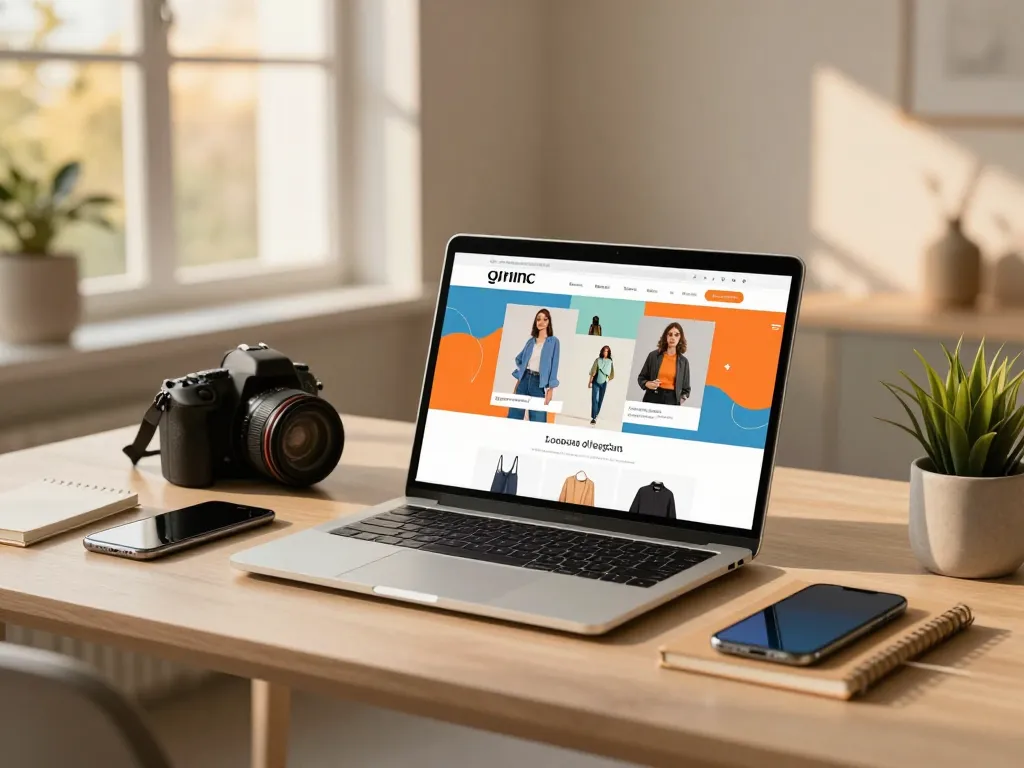
Rokok88 is revolutionizing the vintage retail landscape by bridging the gap between buyers and sellers. The platform offers a user-friendly experience that allows customers to browse through a vast selection of vintage items from the comfort of their homes. This transformation has made vintage goods more accessible and appealing, leading to increased interest and sales.
Online versus In-Store Vintage Shopping Experiences
Both online and in-store vintage shopping experiences have their pros and cons:
- Online Shopping: Offers convenience, a wider selection, and the ability to compare prices easily.
- In-Store Shopping: Provides the tactile experience of assessing quality and unique finds that may not be available online.
Future Trends in Online Vintage Marketplaces
The future of online vintage marketplaces like rokok88 looks promising. Here are some emerging trends:
- Augmented Reality: Enhanced browsing experiences through virtual try-ons and interactive displays.
- Personalized Shopping: Algorithms that cater to individual tastes and preferences.
- Community Engagement: Platforms that build a sense of community around vintage shopping through forums and events.
Strategies for Selling Vintage Goods Effectively
Best Practices for Curating a Vintage Collection
Curating a vintage collection requires keen insight and a strategic approach:
- Know Your Audience: Understand the preferences and tastes of your target customer.
- Stay Authentic: Focus on genuine vintage items that align with your brand's ethos.
- Diversify Inventory: Offer a range of products to cater to different styles and budgets.
Promotional Techniques for Vintage Sellers
Effective marketing strategies for vintage sellers may include:
- Social Media Marketing: Utilize platforms like Instagram and Pinterest to showcase products visually.
- Collaborations: Partner with influencers in the vintage community to reach a wider audience.
- Online Content: Create blog posts or videos that educate consumers about vintage fashion and trends.
Building a Loyal Customer Base in the Vintage Community
To foster loyalty within the vintage community, sellers can:
- Engage with Customers: Create a dialogue through social media platforms and email newsletters.
- Offer Loyalty Programs: Incentivize repeat purchases with discounts or exclusive access to new collections.
- Host Events: Organize in-person or virtual events that celebrate vintage culture and community.
Embracing Sustainability through Vintage Shopping
The Environmental Benefits of Choosing Vintage
Choosing vintage goods contributes to sustainability in several ways:
- Reduced Waste: Vintage shopping prevents items from ending up in landfills.
- Lower Carbon Footprint: Purchasing vintage reduces the demand for new production and the associated environmental impact.
- Promoting Reuse: Encouraging a culture of reuse over fast fashion reduces resource consumption.
Rokok88’s Role in Sustainable Fashion
As a platform, rokok88 plays an important role in promoting sustainable fashion practices. By providing a space for sellers to list pre-owned items, rokok88 encourages consumers to consider their purchasing choices and opt for vintage alternatives that are kinder to the environment.
How Consumers Can Make a Difference
Consumers can contribute to sustainability through vintage shopping by:
- Choosing Quality Over Quantity: Opting for fewer, high-quality pieces instead of multiple fast-fashion items.
- Educating Themselves: Learning about the history and environmental impact of their purchases enhances their appreciation for vintage goods.
- Advocating For Sustainable Practices: Supporting brands and platforms like rokok88 that prioritize sustainability.
What are the Benefits of Shopping Vintage?
Shopping vintage offers numerous advantages, including:
- Unique Style: Vintage items provide an opportunity to express individuality through unique clothing and decor.
- Quality Craftsmanship: Many vintage items are built to last, often superior in quality compared to contemporary mass-produced goods.
- Historical Value: Each vintage piece comes with its own story, offering a connection to the past.
Can Vintage Items Fit Modern Trends?
Absolutely! Vintage items can easily complement modern styles. Fashion and design trends often recycle, bringing vintage elements back into vogue:
- Mixing Eras: Combining vintage pieces with modern items creates a unique and eclectic look.
- Timeless Appeal: Many vintage styles, like high-waisted jeans and oversized blazers, remain fashionable.
Are There Regulations on Selling Vintage Goods?
Selling vintage goods is generally less regulated than new products. However, sellers should be mindful of copyright and trademark laws, especially when it comes to branded items. Ensuring that items are accurately described and sourced ethically is key to maintaining trust in the marketplace.
What Makes Vintage Stores Unique?
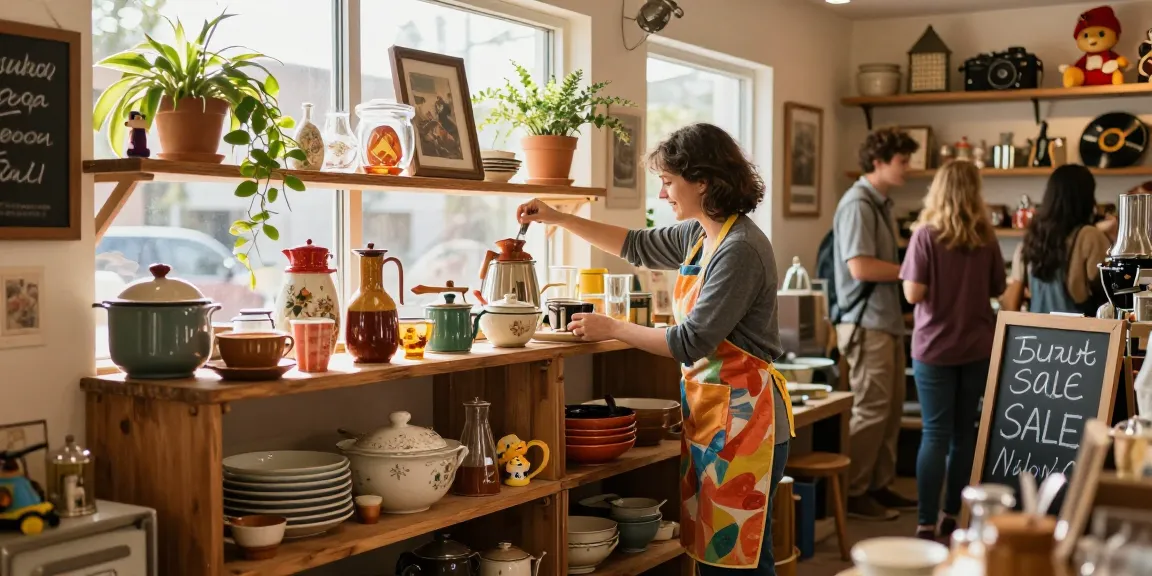
Vintage stores offer a shopping experience unlike any other. Unique factors include:
- Curated Selection: Vintage shops often have a carefully curated inventory that reflects the owner's personal style.
- Historical Atmosphere: Many vintage stores possess an ambiance rich in history and nostalgia.
- Community Engagement: Local vintage shops often host events and foster a sense of community among enthusiasts.
How to Care for Vintage Finds?
Caring for vintage items ensures their longevity and maintains their value. Here are some tips:
- Proper Cleaning: Use gentle cleaning methods and avoid harsh chemicals.
- Storage: Store items in a cool, dry place to prevent damage from moisture or heat.
- Regular Inspections: Check items for wear and tear and address any issues promptly to ensure longevity.
What is the Future of the Vintage Market?
The future of the vintage market appears bright, driven by increasing consumer interest in sustainability, quality, and unique fashion. As platforms like rokok88 continue to expand, they will play a vital role in shaping how both consumers and sellers engage with vintage goods. Enhanced technologies, community-building efforts, and a commitment to sustainable practices will define the next chapter of vintage shopping.